Buttery Egg Breakfast Recipes: The Real Secrets to Rich, Fluffy, Restaurant-Worthy Scrambled Eggs
Table of Contents
There’s something comforting about scrambled eggs that no fancy breakfast can replace.
Maybe it’s the smell of butter melting in a warm pan. Maybe it’s the way eggs can turn an ordinary morning into something that feels cozy and cared for. Or maybe it’s because scrambled eggs remind you of home—simple, familiar, and always welcome.
But let’s be honest.
If you’ve ever tried making scrambled eggs at home and ended up with a dry, rubbery pile that tastes nothing like the creamy, buttery eggs you get at restaurants… it can feel weirdly disappointing.
Because you know scrambled eggs should be easy.
So why do café scrambled eggs always taste richer, softer, and somehow “fancier” than yours?
Here’s the truth: restaurants aren’t using magic ingredients. They’re using better technique. And once you learn it, you’ll never go back to plain, overcooked eggs again.
In this guide, you’ll learn the real secrets behind buttery scrambled eggs, how to make them fluffy, rich, and perfectly tender, and how to turn them into some of the best buttery egg breakfast recipes you’ll ever add to your morning routine.
Why Buttery Scrambled Eggs Taste So Much Better Than Regular Eggs
Scrambled eggs can be cooked in five minutes, but most people cook them the wrong way—usually without realizing it.
The difference between average scrambled eggs and restaurant-style scrambled eggs comes down to three things:
- Temperature
- Butter
- Timing
When restaurants make scrambled eggs, they treat them like something delicate, not something to rush. They use gentle heat, they keep the eggs moving, and they stop cooking before the eggs look fully done.
That’s why restaurant eggs are soft and creamy instead of dry and crumbly.
And yes—restaurants also use a generous amount of butter.
Not a ridiculous amount. Just enough to make the eggs taste rich, smooth, and satisfying.
If you’re looking for buttery egg breakfast recipes that feel indulgent without being complicated, this is exactly where you should start.
The Science Behind Fluffy, Rich Scrambled Eggs (Without Getting Too Nerdy)
Eggs are mostly water and protein. When you cook them, the proteins tighten and firm up.
That’s normal.
But here’s the catch:
The hotter your pan is, the faster the proteins tighten.
When the heat is too high, your eggs cook too quickly. The moisture gets squeezed out, and you end up with eggs that are:
- dry
- tough
- rubbery
- grainy
That’s why rushing scrambled eggs usually backfires.
So where does butter come in?
Butter does more than add flavor. It acts like a protective cushion that keeps eggs from cooking too harshly.
It also adds richness, softness, and that signature restaurant taste you can’t fake.
When used properly, butter helps you get scrambled eggs that feel silky and fluffy at the same time.
Ingredients You Need for Restaurant-Worthy Buttery Scrambled Eggs
The best part about this recipe is that you probably already have everything you need.
You don’t need fancy seasonings or complicated add-ins.
You just need quality basics.
The best eggs to use
Any eggs will work, but if you want the best flavor and texture:
- Choose fresh eggs
- If possible, go for free-range eggs
- Let them sit at room temperature for 10 minutes (optional but helpful)
Room-temperature eggs cook more evenly, but don’t stress if you forget. You can still make amazing eggs straight from the fridge.
Salted vs unsalted butter
Both are great. Here’s the difference:
- Unsalted butter gives you control
- Salted butter gives you quick flavor
If you only have salted butter, use it. Your eggs will still taste amazing.
Should you add milk or cream?
This depends on what kind of scrambled eggs you want.
- Milk can make eggs lighter, but too much makes them watery.
- Cream makes eggs richer and softer, but it can make them heavier.
The safest move is to use a tiny amount of cream—just enough to add richness without ruining texture.
Buttery Scrambled Eggs Ingredients Table
| Ingredient | Amount | Notes |
|---|---|---|
| Large eggs | 4 | Fresh eggs give better flavor |
| Butter | 2 tablespoons | Use unsalted if possible |
| Heavy cream (optional) | 1 tablespoon | Adds richness |
| Salt | ¼ teaspoon | Adjust after cooking |
| Black pepper | ¼ teaspoon | Fresh ground tastes best |
| Chives (optional) | 1 tablespoon | Perfect garnish |
The 1 Secret Most People Ignore: Heat Control
If you want perfect scrambled eggs, you need to stop thinking “fast.”
Scrambled eggs are quick, but they’re not meant to be rushed with high heat.
Why high heat ruins scrambled eggs
When your pan is too hot:
- eggs seize up too quickly
- moisture evaporates
- texture turns dry
- eggs brown on the bottom
- flavor becomes “eggier” and less buttery
The ideal heat for buttery scrambled eggs
Use:
- low heat for creamy eggs
- medium-low heat for fluffy eggs
Your butter should melt quietly. If it sizzles like a steak hitting the pan, your heat is too high.
Tools That Make Scrambled Eggs Easier (And Better)
You don’t need fancy equipment, but the right pan and utensil make a big difference.
Best pan for scrambled eggs
A nonstick skillet is the easiest option. It prevents sticking, lets you cook slowly, and gives you smooth, soft eggs.
Stainless steel can work too, but it’s harder to master and easier to mess up.
Best utensil
Use a silicone spatula.
It scrapes the pan clean and helps you fold the eggs gently without breaking the curds.
How to Make Buttery Scrambled Eggs (Step-by-Step)
This is the method that gives you eggs that taste like a brunch restaurant—soft, fluffy, and glossy.
Step 1: Crack and whisk the eggs
Crack your eggs into a bowl.
Whisk them until the yolks and whites are fully combined. You don’t want streaks.
Tip: If you want fluffier eggs, whisk for 20–30 seconds. The extra air helps.
Step 2: Melt the butter slowly
Place your pan over medium-low heat and add the butter.
Let it melt gently and coat the bottom of the pan.
You’re looking for melted butter that looks glossy—not browned butter.
Step 3: Pour in the eggs
Once the butter is melted, pour your eggs into the pan.
Wait a few seconds, then start stirring gently.
Step 4: Stir slowly and fold
This is where people mess up.
Instead of stirring aggressively, use a gentle folding motion:
- push eggs from the edges toward the center
- scrape the bottom lightly
- keep the eggs moving without smashing them
This creates soft curds that look fluffy instead of crumbly.
Step 5: Remove the eggs early
Here’s the secret that makes restaurant eggs so good:
Remove the eggs when they still look slightly wet.
They’ll continue cooking from residual heat. If you wait until they look fully done, they’ll be dry by the time you eat them.
Step 6: Finish with extra butter
Right before serving, add a small knob of butter and stir it in.
This gives the eggs a glossy finish and makes them taste rich and luxurious.
Chef Secrets That Take Your Scrambled Eggs to the Next Level
Once you master the basics, these small upgrades make your eggs taste like they came from a five-star kitchen.
Secret 1: Butter twice
Use butter in two stages:
- butter to cook
- butter to finish
This makes the flavor deeper and the texture softer.
Secret 2: Cream is optional—but powerful
If you want extra richness, add 1 tablespoon of heavy cream to 4 eggs.
Not more.
Too much liquid makes eggs loose and watery.
Secret 3: Try the French-style method
If you want creamy, custardy eggs:
- cook on low heat
- stir constantly
- cook slowly
The result is soft, silky eggs that almost melt.
Secret 4: Don’t over-salt early
Some chefs say salt breaks down eggs if added too early. Others say it doesn’t matter.
A safe middle ground is:
- add a light pinch before cooking
- adjust after cooking
This gives balanced flavor without risking watery eggs.
Fluffy vs Creamy Scrambled Eggs: What’s the Difference?
Not all scrambled eggs are supposed to be the same. It depends on what you’re craving.
Fluffy scrambled eggs (American style)
These eggs are:
- airy
- light
- made with larger curds
Perfect for toast, breakfast sandwiches, and hearty breakfast plates.
Creamy scrambled eggs (French style)
These eggs are:
- soft
- smooth
- almost spoonable
Perfect for brunch plating or gourmet toast.
Scrambled Egg Style Comparison Table
| Style | Texture | Heat Level | Best For |
|---|---|---|---|
| Fluffy (American) | Light and airy | Medium-low | Toast, sandwiches |
| Creamy (French) | Custardy and smooth | Low | Brunch plates |
| Restaurant Hybrid | Soft + fluffy | Medium-low | Everyday breakfasts |
If you’re not sure which one to choose, the restaurant hybrid method is the best of both worlds.
Common Mistakes That Ruin Buttery Scrambled Eggs
Even if you’re using butter, your eggs can still go wrong if you fall into these traps.
Mistake 1: Cooking too hot
This is the biggest reason scrambled eggs fail. High heat equals dry eggs.
Mistake 2: Overcooking
Scrambled eggs should still look slightly glossy when you take them off the heat.
Mistake 3: Adding too much milk
A splash is fine. A heavy pour makes eggs watery.
Mistake 4: Stirring too aggressively
Hard stirring breaks curds into tiny pieces and ruins texture.
Mistake 5: Not using enough butter
Butter is what gives your eggs that soft, rich mouthfeel.
If you want buttery scrambled eggs, you need butter.
Flavor Add-Ins That Pair Perfectly with Buttery Scrambled Eggs
Once you’ve nailed the basics, you can easily customize your eggs.
Best herbs and seasonings
- chives
- parsley
- paprika
- garlic powder
- chili flakes
- smoked salt
Best cheeses
Add cheese when the eggs are almost done:
- cheddar
- feta
- parmesan
- cream cheese
- goat cheese
Best protein add-ins
- bacon
- sausage
- smoked salmon
- turkey ham
- shredded chicken
Buttery Egg Toast Ideas That Make Breakfast Feel Special
Toast is one of the easiest ways to upgrade scrambled eggs.
And when you combine toast with butter and soft eggs, you get the kind of breakfast that feels comforting and filling.
Here are some of the best buttery egg toast ideas you can make in minutes:
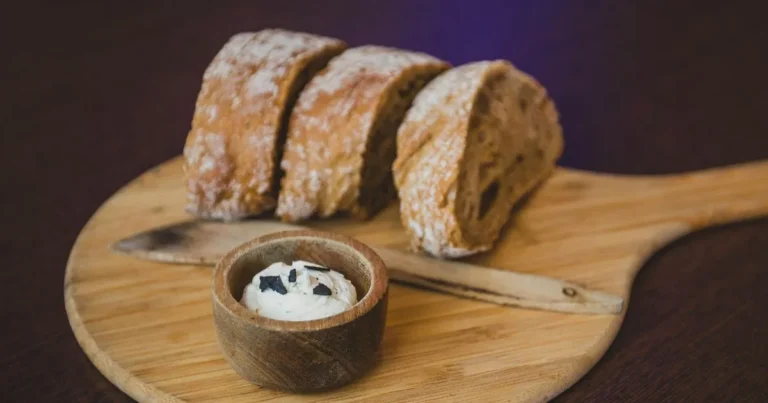
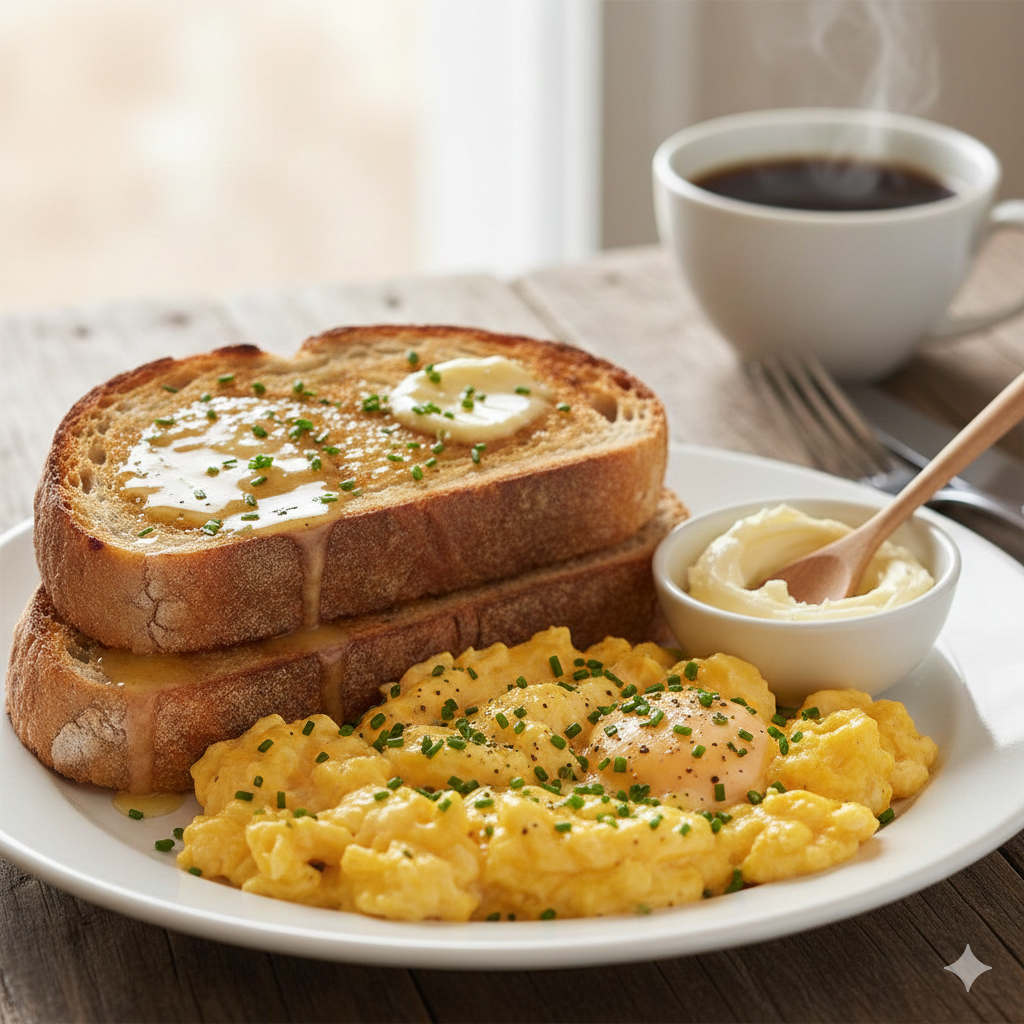
1. Classic sourdough buttery egg toast
Toast sourdough, spread butter, add scrambled eggs, and finish with black pepper.
2. Garlic butter egg toast
Mix butter with garlic powder and parsley, toast it in a pan, then top with eggs.
3. Cheesy egg toast
Add scrambled eggs and sprinkle with parmesan or cheddar.
Broil for 1 minute for a melty finish.
4. Avocado and buttery scrambled eggs toast
Mash avocado with lemon juice and salt, then top with eggs.
5. Honey butter egg toast
Spread honey butter on toast, then add soft scrambled eggs.
Sweet, salty, and addictive.
Toast Pairing Table
| Toast Type | Best Topping Combo | Flavor Style |
|---|---|---|
| Sourdough | butter + eggs + chives | Classic |
| Brioche | honey butter + eggs | Sweet & savory |
| Whole wheat | avocado + eggs | Healthy |
| Rye | eggs + smoked salmon | Gourmet |
| White bread | garlic butter + eggs | Comfort food |
More Buttery Egg Breakfast Recipes You Can Make After Mastering Scrambled Eggs
Once you learn how to cook buttery scrambled eggs properly, you can use them as a base for so many quick meals.
Easy breakfast ideas
- Buttery scrambled egg breakfast bowl with potatoes
- Egg wrap with spinach and cheddar
- Breakfast sandwich with garlic butter toast
- Scrambled eggs with sautéed mushrooms
- Soft eggs with roasted tomatoes
- Cheesy scrambled eggs with herbs
These recipes don’t require fancy ingredients—they just require good eggs cooked well.
Meal Prep Tips: Can You Make Scrambled Eggs Ahead of Time?
Fresh is always best, but yes, you can meal prep scrambled eggs.
How to store them
- cool slightly
- store in an airtight container
- refrigerate for up to 2 days
How to reheat without drying out
Reheat gently:
- use low heat in a pan
- add a small knob of butter
- stir slowly until warm
Microwave works too, but only in short bursts (20 seconds at a time).
Are Buttery Scrambled Eggs Healthy?
Eggs are loaded with protein and nutrients like vitamin D and choline. They’re one of the best breakfast foods you can eat when you want energy that lasts.
Butter adds fat, but that doesn’t automatically make it unhealthy.
As long as you’re not drowning your breakfast in butter every day, it fits perfectly into a balanced diet.
If you want a lighter version, you can reduce the butter slightly—but if you want true restaurant-style eggs, butter is what delivers that signature richness.
FAQ: Buttery Egg Breakfast Recipes
How do you make buttery scrambled eggs fluffy like restaurants?
To make fluffy restaurant-style eggs, you should:
- whisk eggs thoroughly
- cook on medium-low heat
- fold gently instead of stirring aggressively
- remove eggs early while slightly glossy
- finish with a knob of butter
That’s the real restaurant secret.
What’s the best butter to use for buttery egg breakfast recipes?
Unsalted butter is best because you control the salt level. But salted butter works great too, especially if you want a quick boost of flavor.
Should you add milk or cream to scrambled eggs?
You don’t have to. But if you want richer eggs, add 1 tablespoon of heavy cream per 4 eggs.
Avoid adding too much milk, or your eggs may turn watery.
Why do my scrambled eggs come out watery?
Watery eggs usually happen when:
- you added too much milk
- your pan temperature was too low
- you undercooked the eggs too much
- you added vegetables with excess moisture
Keep your ingredients simple and cook gently for the best texture.
What are the best buttery egg toast ideas?
Some of the best buttery egg toast ideas include:
- garlic butter toast with scrambled eggs
- sourdough toast with eggs and chives
- avocado toast topped with eggs
- cheesy egg toast
- honey butter egg toast
Can you cook buttery scrambled eggs ahead of time?
Yes, but they taste best fresh. If you meal prep, reheat slowly in a pan with a little butter to keep them soft.
Quick Recipe Recap: Perfect Buttery Scrambled Eggs
Ingredients
- 4 large eggs
- 2 tablespoons butter
- ¼ teaspoon salt
- ¼ teaspoon black pepper
- 1 tablespoon heavy cream (optional)
Instructions
- Whisk eggs until smooth and fully blended.
- Melt butter in a nonstick pan over medium-low heat.
- Pour eggs into the pan.
- Fold gently with a spatula, moving eggs from the edges to the center.
- Remove while slightly glossy.
- Add a final knob of butter and serve immediately.
Final Thoughts: Your Morning Eggs Will Never Be the Same
Once you learn these buttery scrambled egg secrets, breakfast stops being boring.
Instead of dry eggs that feel like an afterthought, you get something warm, soft, and satisfying—like a breakfast you’d proudly serve to someone you love.
And the best part? It takes less than 10 minutes.
Don’t Skip This!
Now it’s your turn—tomorrow morning, try this method and test one of the buttery egg toast ideas from above.
Then ask yourself:
Did your scrambled eggs taste better than usual?
If they did, share this recipe with a friend, bookmark it for later, and leave a comment with your favorite topping (cheese, herbs, hot sauce, avocado, or something creative). Your next perfect breakfast is just one pan away.